

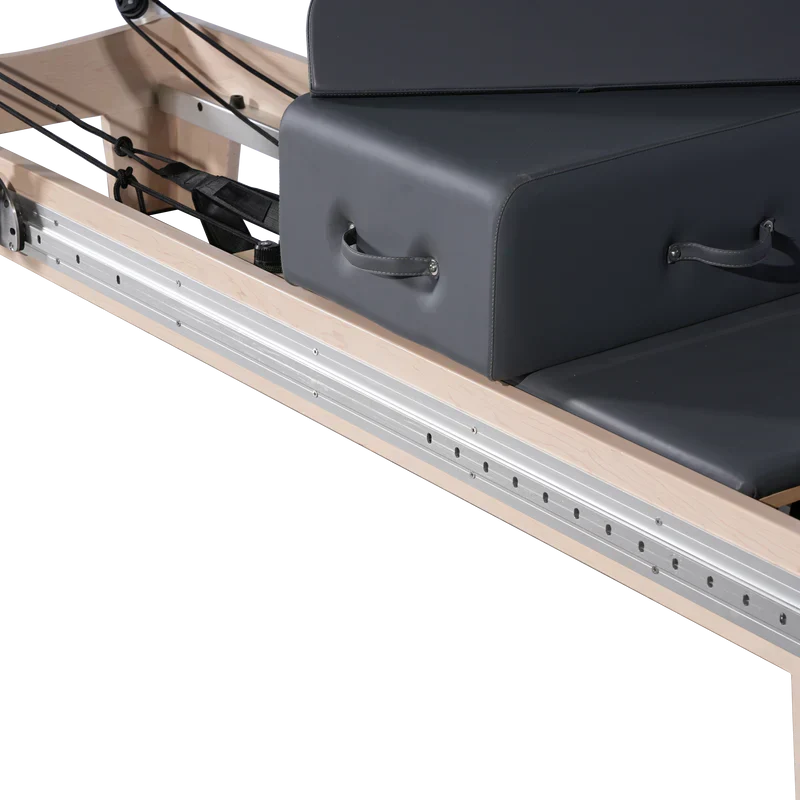
If you own — or plan to buy — a wood-frame (especially maple) Pilates reformer, proper maintenance can make a huge difference. With proper cleaning, inspection, environmental care, and timely replacement of wear components, a well-maintained wooden Pilates Reformer can provide reliable performance for many years. In this guide, we’ll walk you through straightforward, practical maintenance steps — and show how BuyReformer’s maple wood reformers are built for long-term reliability and ease of care.
Why Proper Care Matters (And Why Wood Needs Extra Attention)
Wooden reformers differ from metal or purely mechanical machines — wood can react to changes in moisture, temperature, and environment. Without proper care, wood frames risk warping, cracking, surface wear, and even functional issues. Meanwhile, springs, rails, wheels, and upholstery all require periodic attention to maintain smooth, safe operation.
That’s why establishing a consistent maintenance routine is key — doing a little bit regularly will protect your investment and ensure your reformer performs like new.
Daily & After-Use Care: Simple Habits That Pay Off
Wipe Down Wood, Upholstery & Metal Parts
After each session, use a soft, damp cloth to wipe down the wood frame, carriage, footbar, and upholstery. Avoid soaking the wood or using harsh chemical cleaners — these can damage the finish or cause discoloration.
Quick Safety Check
Take a moment to inspect your reformer — make sure screws and fasteners are tight, springs and hooks look normal (no rust or deformation), and the carriage glides smoothly without noise or sticking.
These two simple steps take just a few minutes, but they go a long way toward preserving safety, performance, and appearance.
Monthly & Periodic Maintenance: Keep Everything Running Smoothly
Depending on how often you use your reformer, set up a more thorough maintenance schedule — at least once every month or quarter. Here’s what to do:
Wheel Assembly & Fastener Check: Tighten and Inspect
Go through all bolts, nuts, screws, and connection points (frame, footbar, shoulder blocks, rails) and make sure nothing is loose. Over time, regular use can cause hardware to loosen.
Inspect the carriage wheels and rails. Make sure the carriage travels smoothly and evenly, and check the wheel surfaces and rails for debris, unusual wear, damage, or looseness.
Clean Rails and Wheels; Lubricate Only Where Specified
Keep the carriage rails and wheel surfaces clean by removing dust, hair, fibers, and other debris with a soft cloth. A clean wheel–rail contact surface is important for smooth carriage travel.
Do not automatically apply oil or lubricant directly to the rails. Lubrication requirements vary by Reformer design. If a specific model requires lubrication at wheel axles, hinges, pulleys, bearings, or other moving points, use only the lubricant and application method specified in that model’s maintenance instructions. If you are unsure, contact BuyReformer before applying lubricant.
Clean & Protect the Wood Frame
Wipe the wooden frame with a soft, slightly damp cloth and dry it promptly. Avoid soaking the wood or using abrasive or harsh chemical cleaners. Additional wood conditioners, waxes, or polishes should only be used if they are compatible with the finish on your specific Reformer model. Contact BuyReformer if you are unsure which product is suitable.
Inspect Springs, Straps, Ropes & Upholstery
Check springs for signs of rust, deformation, or weakened elasticity — replace if needed.
Inspect ropes, straps, pulleys for fraying, loose stitching, or wear; replace if necessary.
Wipe down upholstery with a mild, non-abrasive cleaner; avoid bleach, strong solvents or alcohol-based cleaners which may damage vinyl or wood finish.
Ideal Environment & Storage: Where and How to Keep Your Reformer
Wood reacts to humidity, temperature, and light. To maximize lifespan:
Keep the reformer indoors, away from direct sunlight, heaters, humidifiers, or damp areas. Sudden changes in humidity or heat can cause wood to swell, crack, or warp.
Maintain stable room conditions: ideally moderate humidity and temperature — avoid extremes.
If the Reformer will not be used for an extended period, return the carriage and spring system to the recommended storage position for that model. Avoid leaving springs under unnecessary prolonged extension. Refer to the model-specific instructions or contact BuyReformer if you are unsure about long-term storage.
These environmental precautions help prevent wood damage, rust on metal parts, and deterioration of upholstery — all of which extend the machine’s usable life.
Why BuyReformer’s Maple Wood Reformers Are Built for Long-Term Performance
Because not all wooden reformers are created equal, how you build and finish them matters — and that’s where BuyReformer stands out. Here’s how our design and craftsmanship support longevity and ease of maintenance:
High-grade maple wood with controlled drying & finishing: Our wood is properly kiln-dried and sealed with protective finish, reducing chances of warping, cracking, or shrinkage.
Durable mechanical components and serviceable wear parts: Wheels, bearings, rails, springs, fasteners, and other moving components are selected and assembled with long-term use in mind. Because wheels, springs, ropes, and other wear components can change with repeated use, routine inspection and timely replacement remain important for maintaining consistent performance.
To understand how these components work together, see What Makes a Pilates Reformer Run Smoothly and Quietly?
User-friendly design for home use: We know many of our customers use their reformer in home-gym settings, so we design with easy maintenance, cleanability, and storage flexibility in mind.
Support for maintenance & replacement parts: We’re committed to helping you keep your reformer in top condition — from instructive guidance to spare parts availability.
Together, these design choices ensure your BuyReformer maple wood reformer isn’t just functional now — it’s a long-term investment built to last.
Have questions or need guidance on maintaining your reformer? Contact us today — we’re here to help you get the most out of your equipment.
Suggested Maintenance Schedule (For Home Use)
| Frequency | What You Should Do |
|---|---|
| After Every Use | • Wipe down frame, carriage, footbar, and upholstery with a soft damp cloth. • Quick visual check: make sure screws & bolts are tight, springs/hooks secure, wheels and rails glide smoothly. |
| Monthly (or every ~5–6 sessions) | • Inspect bolts, nuts, and all fasteners — tighten if necessary. • Clean carriage rails and wheels; remove dust or debris. • Check springs, straps/ropes, upholstery and metal parts for any wear or signs of damage. |
| Every 3–6 Months | • Inspect moving components such as wheel assemblies, hinges, pulleys, and connection points. Lubricate only the locations specified for your particular Reformer model, using the recommended lubricant. Do not apply lubricant directly to the rails unless specifically instructed. • Treat wood frame with a furniture-grade wood conditioner or polish to maintain the finish and protect against drying or cracking. • Deep clean upholstery (wipe with mild soap solution, dry thoroughly). |
| Yearly (or Semi-Annually for heavy use) | • Full inspection of all components: wheels, rails, springs, straps/ropes, frame. Replace any worn or compromised parts. • Make sure the carriage glides smoothly and evenly; re-align or service as needed. • Consider professional maintenance if you notice unusual noises, unstable movement, or wear beyond cosmetic surface. |
| Long-Term (5–10+ Years) | • With consistent routine maintenance, the maple wood frame should remain stable and intact. • Replace consumables (springs, straps, wheels) as needed — these wear out over time. • Keep the reformer stored in a stable indoor environment (avoid humidity, excessive heat, direct sunlight) to prevent warping or cracking. |
Common Mistakes That Shorten Reformer Lifespan — And How to Avoid Them
Using harsh cleaners or bleach — these damage wood finish and upholstery. Stick to mild soaps and soft cloths.
Leaving metal parts exposed to moisture — rust can degrade springs, hooks, and rails. Always wipe sweat or water after sessions.
Ignoring environmental factors — placing your reformer near heaters, windows, damp areas, or sunlight risks wood warping or cracking.
Overlooking regular inspection — small loose screws, worn springs, or frayed straps can escalate into safety issues if not addressed early.
Allowing debris to accumulate on the rails or using inappropriate lubricants — dust, hair, and residue can interfere with wheel–rail contact, while unnecessary lubrication may attract additional debris or affect certain wheel materials.
Avoiding these mistakes will help preserve your reformer, maintain safety, and keep workouts smooth for many years.
In Summary: Consistent Care Helps Extend the Life of Your Wooden Reformer
By following a regular maintenance plan — daily cleanings, periodic inspections, proper lubrication, environmental care, and timely replacement of consumables — you can significantly extend the useful life of your wooden Pilates reformer.
With BuyReformer’s maple wood design and quality construction, you’re not just getting a machine — you’re investing in a durable, long-lasting piece of fitness equipment that will support your Pilates journey for years.
Need maintenance support or spare parts? Contact us now — we’ll help you keep your reformer performing its best.
Share:
How to Choose a Pilates Reformer for Small Spaces
Shipping to Australia: What to know when you order a Pilates reformer from the US