

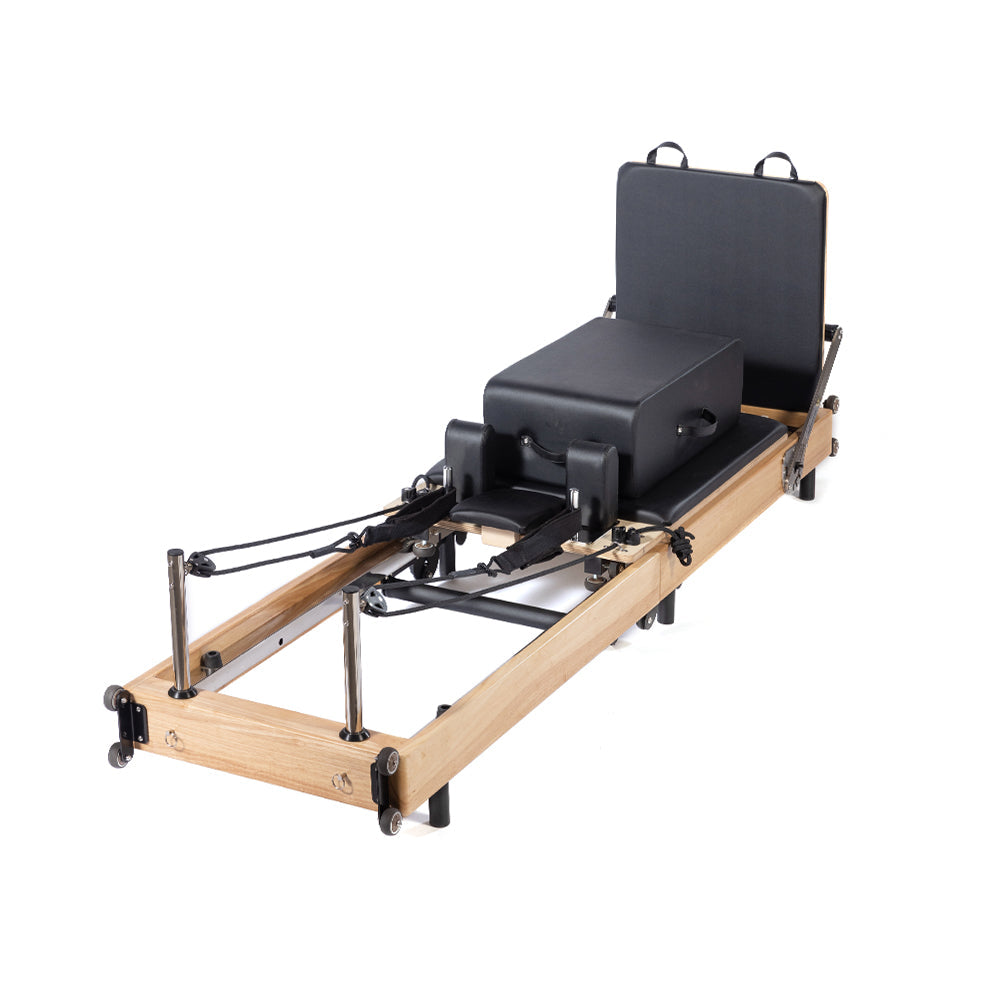
Creating a home Pilates space can completely change how you train. You no longer need to work around studio schedules, commute times, or crowded classes. But choosing the right Pilates reformer for your home gym is often more complicated than many people expect.
One of the biggest mistakes home users make is buying a reformer based only on appearance or price without thinking about space, training goals, long-term comfort, or how often they realistically plan to use it.
Some people choose Reformers with Tower for a room that does not have enough space for the added height and surrounding clearance. Others choose foldable Pilates reformers without checking whether the frame, carriage movement, and folding system are stable enough for regular practice. Many beginners also struggle to understand the differences between foldable reformers, classic reformers, and reformers with tower systems.
If you are trying to choose the best Pilates reformer for your home gym, this guide will help you understand what actually matters before you buy.
What Type of Pilates Reformer Is Best for Home Use?
The best home Pilates reformer depends on how you plan to use it, how much space you have available, and what kind of training experience you want.
Most home users typically choose between three main categories:
foldable Pilates reformers
classic or studio-style reformers
reformers with tower systems
Each option works better for different lifestyles and training goals.
Foldable Pilates Reformers
Foldable reformers are designed for users who want to save space without giving up the core Pilates reformer experience.
They are especially popular for:
apartments
multi-purpose rooms
smaller home gyms
flexible workout spaces
A well-designed foldable Pilates reformer should not feel like a compromise. High-quality foldable reformers can offer smooth carriage movement, a stable frame structure, quiet rail performance, and a hydraulic folding system that makes storage easier. For home users who need space efficiency but still want a studio-quality training experience, this type of reformer can be a very practical choice.

If your space needs to function as both a living area and workout space, a foldable Pilates reformer may be the most practical option.
If your main concern is space efficiency, a foldable Pilates reformer can help you keep your workout area flexible without giving up the stability and smooth movement you expect from studio-quality equipment.
Classic or Studio-Style Reformers
Classic Pilates reformers are typically larger, heavier, and designed for permanent setup environments.
They are often preferred by users who want:
studio-style training
full-length carriage movement
maximum frame stability
dedicated Pilates rooms
Because they are not intended for frequent folding or storage, classic reformers generally work best in homes with dedicated workout space. They are different from full-track reformers: a classic reformer simply refers to a traditional non-folding Pilates reformer, while a full-track reformer has an extended rail structure designed for a wider adjustment range and a more specialized training experience.
Many experienced Pilates users prefer the feel of a traditional full-track reformer for long-term practice.
Reformers With Tower Systems
A reformer with tower combines a traditional reformer with additional vertical training capabilities.
This setup allows for:
additional spring exercises
more upper-body training options
assisted stretching
expanded movement variety
A tower system can make sense if you want a more versatile Pilates setup at home, especially if you already practice Pilates regularly.
However, tower systems also require more vertical and surrounding space, so they are not always ideal for smaller apartments.
If you want more exercise variety than a standard reformer can offer, a Pilates reformer with tower may be worth considering, especially for users building a more complete home Pilates setup.
Foldable vs Classic Pilates Reformer: Which Should You Choose?
One of the most common questions home users ask is whether they should choose a foldable reformer or a classic studio-style model.
The answer depends less on skill level and more on your room layout, lifestyle, and training habits.
A Foldable Reformer May Be Better If You:
live in an apartment
need to store your reformer after workouts
use a shared living space
want easier movement and repositioning
prioritize space efficiency
Modern foldable reformers are often far more stable and refined than many people expect. High-quality models can provide smooth carriage travel and comfortable resistance while still offering compact storage benefits.
A Classic Reformer May Be Better If You:
have a dedicated home gym
prefer a traditional studio feel
practice Pilates frequently
want a permanent setup
prioritize heavier frame stability
Classic reformers are often chosen by users who want a more studio-oriented training environment at home.
How Much Space Do You Need for a Home Pilates Reformer?
Space planning is one of the most overlooked parts of buying Pilates equipment.
Before purchasing a reformer, you should think beyond the machine dimensions alone. You also need enough surrounding clearance to safely move around the equipment during workouts.
When measuring your room, consider:
overall reformer length
width clearance
ceiling height
surrounding walking space
storage requirements if folding
Many home users underestimate how much additional room is needed beside and behind the reformer during exercise transitions.
If you are working with a smaller room, a foldable Pilates reformer can make the space significantly easier to manage between workouts.
For a more detailed room planning guide, see:
How Much Space Do You Need for a Home Pilates Reformer?
Should You Choose a Reformer With Tower?
A reformer with tower can add substantial exercise variety to your home Pilates setup, but it is not automatically the best choice for every user.
A tower system may be worth considering if you want:
more advanced Pilates training
additional spring resistance options
assisted stretching exercises
upper-body training variety
studio-style programming
However, many beginners assume they need a tower immediately when a standard reformer may already meet their needs.
A reformer with tower usually works best for:
dedicated Pilates practitioners
long-term home studio setups
users wanting more exercise progression
people who already enjoy regular Pilates training
If you are still deciding, this guide may help:
Is a Reformer With Tower Worth It for Home Use?
What Features Matter Most in a Home Pilates Reformer?
Many people focus heavily on appearance when shopping for Pilates equipment, but daily training comfort usually depends on much more practical details.
Frame Stability
A stable frame is one of the most important factors in long-term reformer comfort.
A reformer that shifts, wobbles, or feels unstable can negatively affect movement quality and overall confidence during training.
Heavier frames and well-designed support structures generally create a more grounded experience.
Smooth Carriage Movement
The carriage system greatly affects how professional a reformer feels during workouts.
Many experienced users prefer:
quiet rail movement
consistent glide
smooth transitions
minimal vibration
This becomes especially important if you practice Pilates frequently.
Spring Resistance Options
Spring resistance influences both exercise variety and progression.
A well-designed resistance system should allow you to:
adjust workout intensity
support beginner-friendly movement
gradually increase challenge
train different muscle groups effectively
Comfort and Ergonomics
You will likely spend long sessions on your reformer, so comfort matters more than many people expect.
Important details include:
carriage padding
shoulder support comfort
footbar positioning
headrest adjustment
platform stability
Small ergonomic differences can significantly affect long-term usability.
Folding and Storage Design
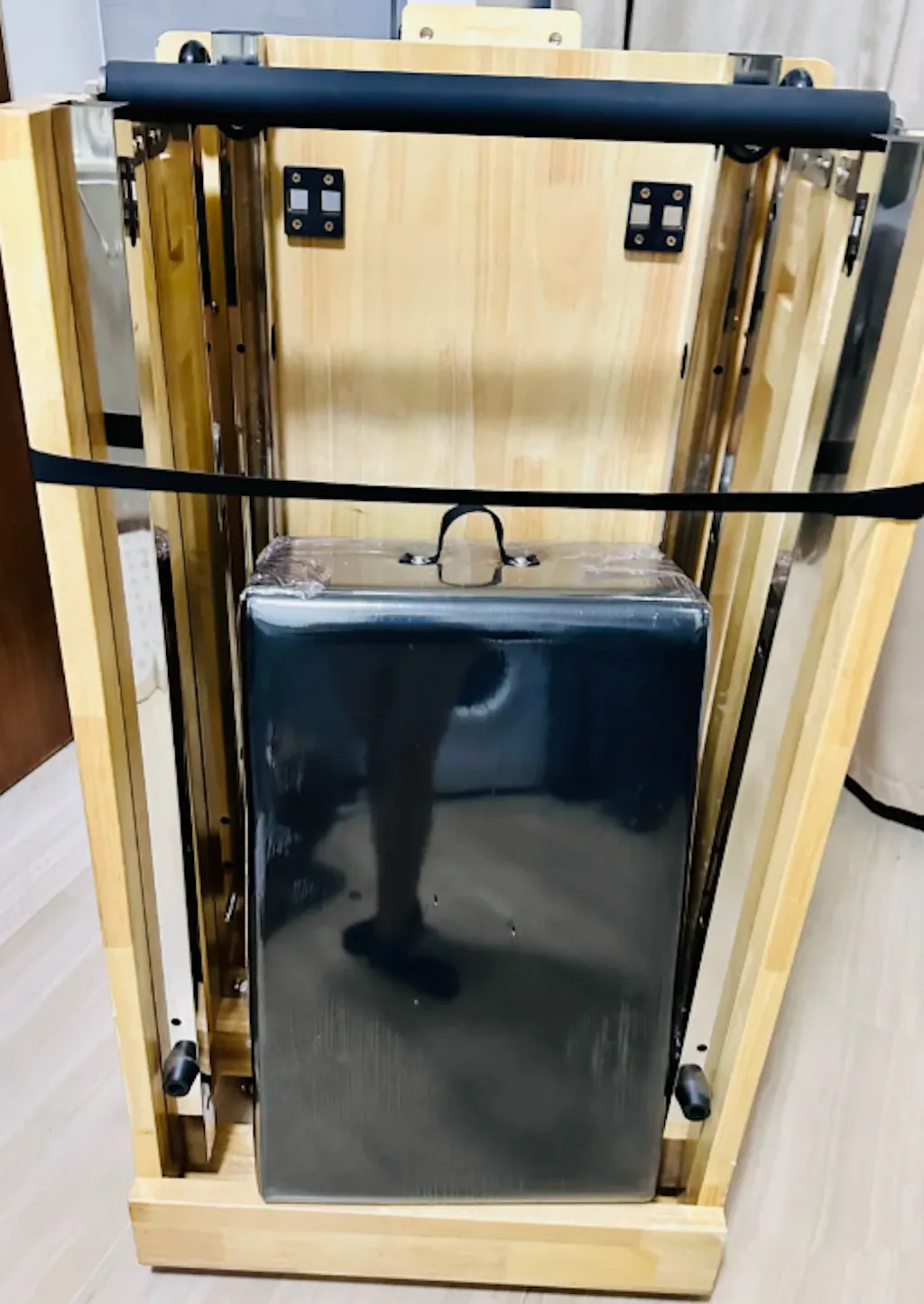
If you plan to move or store your reformer regularly, the folding system becomes extremely important.
Many home users now prioritize:
easier folding mechanisms
transport wheels
compact storage positions
simplified setup
Especially in smaller homes, these features can make regular use much more realistic.
Are Wooden or Aluminum Reformers Better?
Both wooden and aluminum reformers have advantages, and the best option depends on your preferences and training environment.
Wooden Reformers
Wooden reformers are often chosen for:
warmer studio aesthetics
traditional Pilates appearance
quieter overall feel
premium home gym environments
Many professional studios prefer maple wood reformers because of their durability and classic appearance.
Aluminum Reformers
Aluminum reformers are often associated with:
lighter overall weight
modern design
corrosion resistance
easier repositioning
Some users also prefer aluminum rail systems for smooth carriage movement and lower maintenance requirements.
Neither material is universally better. The right choice depends on your room setup, design preferences, and how you plan to use the equipment long term.
What Is the Best Pilates Reformer for Beginners?
The best Pilates reformer for beginners is usually one that feels approachable, stable, and practical for consistent home use.
Many beginners benefit from equipment that offers:
adjustable resistance
comfortable support
straightforward setup
smooth movement
enough exercise variety without overwhelming complexity
A beginner does not necessarily need the largest or most advanced reformer immediately.
In many cases, choosing a reformer that fits your room and daily lifestyle leads to more consistent practice than buying oversized studio equipment that becomes difficult to use regularly.
How Much Should You Spend on a Home Pilates Reformer?
Pilates reformers vary significantly in price depending on:
frame materials
folding systems
carriage quality
tower attachments
overall build design
Instead of focusing only on the lowest price, it is usually better to think about:
long-term durability
comfort
training frequency
stability
overall user experience
A reformer you enjoy using consistently often provides more value over time than a cheaper model that feels uncomfortable or difficult to integrate into your space.
Common Mistakes When Buying a Pilates Reformer
Many home users later realize they focused on the wrong priorities during the buying process.
Some of the most common mistakes include:
Choosing Based Only on Price
The cheapest reformer is not always the best long-term value, especially if comfort, stability, or movement quality suffer.
Ignoring Room Layout
Many users measure only the machine dimensions and forget about surrounding workout clearance.
Buying a Studio Reformer for a Small Apartment
Large professional reformers can quickly overwhelm compact rooms and become inconvenient for daily use.
Overlooking Folding and Storage Needs
If you need to move your reformer frequently, storage design becomes much more important than many people initially expect.
Buying More Complexity Than You Need
Some beginners immediately buy advanced tower systems without first determining how they actually plan to practice Pilates at home.
Choosing equipment that realistically matches your current lifestyle often leads to better long-term consistency.
Final Thoughts
Choosing the right Pilates reformer for your home gym is not only about finding the most advanced equipment. The best reformer is the one that realistically fits your available space, movement goals, training style, and daily routine.
Whether you prefer a foldable reformer for apartment living, a classic studio-style reformer for dedicated practice, or a reformer with tower for expanded exercise variety, understanding your actual needs before buying can help you create a more enjoyable and sustainable Pilates experience at home.
If you want to compare different home Pilates reformer options, you can explore the BuyReformer Reformers Collection to find equipment designed for different spaces, training styles, and home gym setups.
Share:
What Is a Cadillac Pilates Machine Used For
How Often Should You Use a Pilates Reformer at Home?